Sometimes, finding your way comes through “finding your gift.”
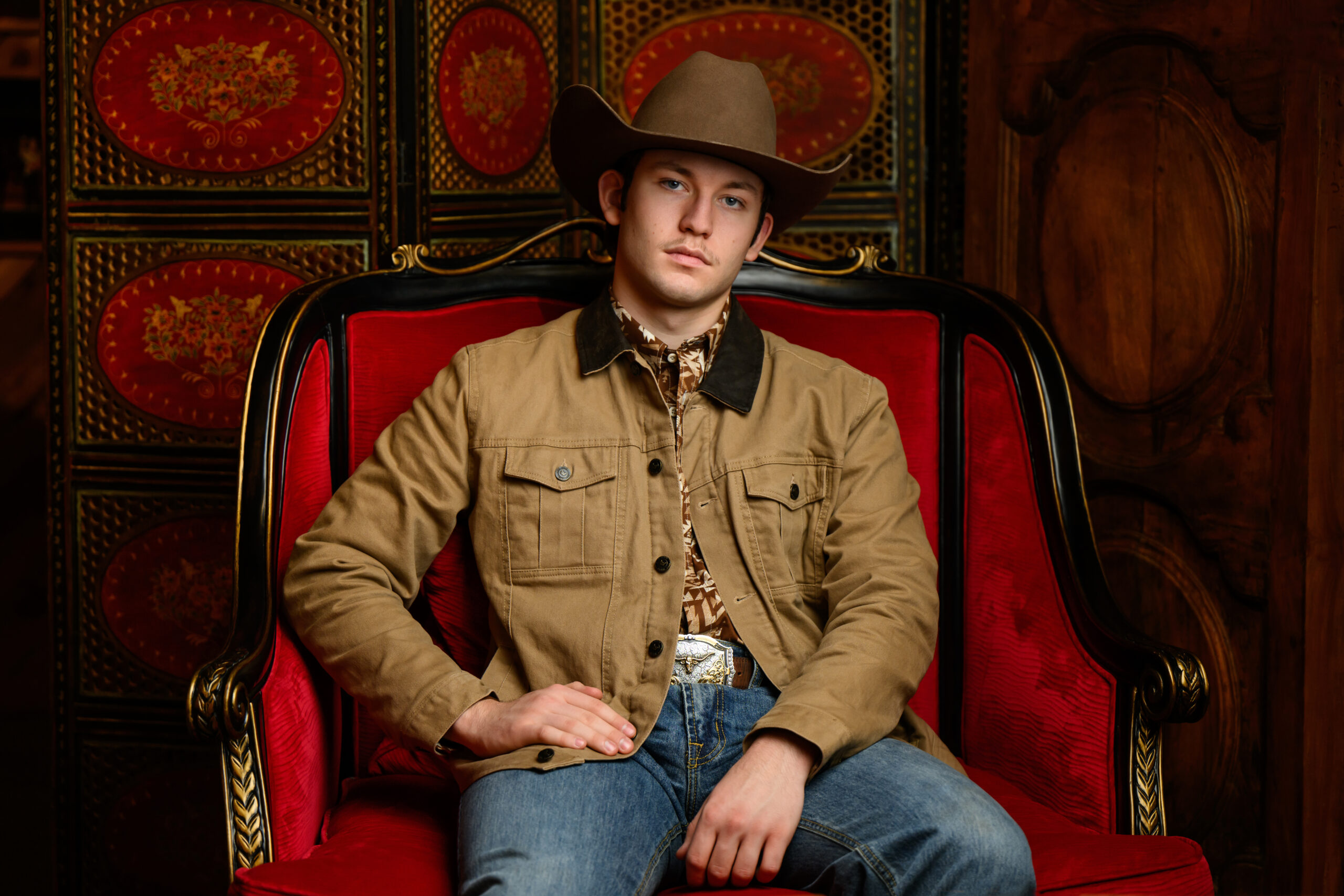
Curtis Grimes never dreamed of becoming a country music star. Growing up in East Texas, baseball was the plan. Music was little more than something playing on the truck radio between practices. But life has a way of changing course. A broken engagement, a borrowed guitar, a local radio contest and a little television show called The Voice led Grimes to a career that has produced more than 20 No. 1 singles, millions of streams, and more Texas Country Music Association awards than any artist in the organization’s history.
Yet for all the success, Grimes remains remarkably grounded. The husband, father of three, and founder of the Ten Finger Ministry talks more about purpose than popularity and more about faith than fame.
Ahead of his August appearance at Old Town Theatre in Huntsville, Postcards sat down with Grimes to talk about baseball, music, faith and the unexpected path that changed everything.
You’re originally from East Texas, right?
I currently live in the San Antonio area, because my wife is from down here. But I grew up in East Texas and graduated from Harmony, about halfway between Gilmer and Quitman.
You were on a baseball career path before music entered the picture. Do you think music was always waiting for you, or did life genuinely take an unexpected turn?
Baseball was my thing when I was young. I didn’t have a desire to play music, but it was easy for me. I remember being able to go on the piano and pound out songs, just had the ear for it, I guess. In the truck riding to and from baseball practice…Alan Jackson, George Strait and ‘90s country. I really liked that. I never had a desire to sing in front of people or play instruments.
When I got to college, my roommate had a guitar he would leave in the dorm room. That’s when I started messing around with the guitar.
What did music give you that baseball couldn’t?
Long story short, I messed up my scholarship baseball career myself. I quit halfway through my freshman year, got engaged to the girl I was dating, high school sweetheart type of deal. Then we ended up breaking up. So music was, I guess you could say, therapeutic in a way, just kind of what I did to fill that space. And that’s what really started the songwriting deal…just kind of getting that stuff out.
I was into the Texas country thing that was going on underground at the time. That’s the kind of music I was listening to when I started trying to play guitar and write songs, so that’s the direction I went.
My sophomore year, I moved down to San Marcos to go to Texas State, and I didn’t do very good at school. I got on probation and suspension. I had friends in Austin at UT, so I was always back and forth between San Marcos and Austin. I was working in a trophy shop at the time to pay bills.
Then one opportunity changed everything.
There was a radio contest about opening for Kenny Chesney, and all you had to do was submit a video. They picked four finalists and then you had to battle. We did all that, and we won. So, here I was on stage with Kenny Chesney not long after I’d started playing guitar, singing in front of people. At that point, I was like, “Well, all right. I guess we’ll see what happens with this music stuff.”
We used that new splash to get more shows booked. We started playing other places outside of Austin. Then, in 2011, I got to be on season one of The Voice. There were eight people left when I got kicked off.
That’s where I met a guy who worked for ASCAP who said, “When the show’s over, come to Nashville. I’ll set you up with some publishing meetings and some co-writes.” So, that’s how I got plugged in there. Yet something was still missing.
How did faith enter your music?
About three years in, I had a booking agent, a publishing deal, and all the pieces in place. I just didn’t have a lot of conviction about where I was, with music or life in general. Around 2015, I thought, “If this is what pursuing music looks like, I’d rather do something else.”
In that moment, God said, “No, I’ve given you this gift, this platform and this unique opportunity.” I thought, “Okay, I’ll go sing in a church or whatever.” But He said, “No, I’ve got you where I need you, so you just do that here.”
I started doing that through my songwriting. I always tell people my goal is to point people to Jesus, because He’s the one who is going to make any life changes. That’s what we try to do through our songs and our shows. My favorite part of the night is getting to engage with people after the show.
What happened after that?
About three months after that, my team let me go. That’s when I started doing it how I wanted to do it. And that’s been going 10 years now. So far, that door has remained open. Radio kept playing our songs. Some venues quit booking us. We probably hurt alcohol sales a little bit by being wholesome, but we still have fun, put on a good concert and engage with people and have a fun night. But we try to do it the right way. Other venues started booking us for that reason. So now we get to play pretty much all ages, any space from bars to honkytonks to festivals, fairs, rodeos, or even church on Sunday morning. The goal is to play anywhere and everywhere we can with the intention of trying to be a positive influence and point people to Jesus.
Just trying to make money, get national radio play, trying to play the game, trying to do whatever you think is going to sell… It just gets very empty. And I’ve seen that. I’ve seen guys who pursued that and got to a level of success that most people would love to have, and these people are just not in a good place.
What makes Texas country different from Nashville country in your eyes?
I’d say the biggest difference is the entry point, right? In Nashville, it’s a few years of bumming around trying to meet people, trying to write with people, before you even get to record music and dig in as an artist.
But the Texas deal is kind of fair game where anybody can do it. There are lots of studios in Texas where you can go record your own music and get that out without having to wait. There’s also a huge support cast: a foundation of fans, industry people, radio, and folks that appreciate young artists who are developing and trying to find their footing as artists. There aren’t many other areas in the country that have that scene or support established like it is here.
The interesting thing, too, is it doesn’t all translate. You could have a big resume in Texas, and in Nashville they’re not impressed. So, there’s a divide, even though a lot of the business and publishing still funnels through there.
If you could go back and give that season one Curtis Grimes from The Voice one piece of advice, what would it be?
I’d probably say, “Lobby a little harder on songs,” because that was the only negative about that whole scenario. It was an awesome experience, obviously, and I got priceless exposure, but they assign you songs, so it’s not really putting you in the best spot to try to impress the world.
And probably, “Sober up.” I didn’t really maximize opportunity, because I was just doing dumb stuff, instead of taking it as seriously as I would now if I got that same opportunity.
You’ve had more than 20 number one singles. What still excites you about making music?
It never gets old when you hear your song being played when you’re out somewhere. I don’t think I’ll ever get numb to that, because it’s just cool. It’s all just icing on the cake. I don’t put that stress on myself maybe like some others do…whereas, I might have in baseball. It’s funny to think that I probably have a better platform now doing this than I would have if I was just some random minor league baseball player.
Tell about the Ten Finger Ministry you founded in honor of your grandfather.
My grandfather loved gospel music, and we would sing it together. About a year or two after deciding what I wanted to do with music, I started posting worship songs or old hymns on social media. That’s when people started asking about a gospel album.
I didn’t really have extra funds lying around to record another project, so I started a GoFundMe and raised more than enough money to record a gospel album. I didn’t want to do it as a profit endeavor, so I thought I’d funnel anything that comes from this into a ministry. My grandfather passed away around that time. He had nine fingers. He was missing a finger from roping a horse when he was little. My dad commented that now he’s got ten fingers to worship the Lord. That’s where we got the idea for Ten Finger Ministry in his honor.
God was putting it on my heart to give people Bibles. I bought some and put them on our merch table for free, and they slowly disappeared. So, I just kept buying more and replacing them. Then people started asking me about it. I set up a website, and we’ve been able to distribute free Bibles. People are always surprised by that.
We try to get good quality ones to have on the merch table or send some overseas for different mission trips and things. It’s been a few years, so I need to record a new gospel album, volume two at some point.
East Texas has a way of shaping people as they grow up. What values from your hometown do you still carry today?
Humility. Not forgetting where you came from. Helps put everything in perspective. My mom still lives in Gilmer. My sister still lives in Gilmer. I’m hoping to play the Yamboree next year.
Also the work ethic aspect, doing things just because it’s the right thing to do. I don’t see that much outside of that bubble. You learn really quickly everybody wasn’t raised like you were.
And the faith element. Growing up, we took belief in God and Jesus for granted. It was rare that people didn’t believe. It was all we knew. When you go off, it’s not like that. You lose a lot of accountability. There is a community aspect of faith you lose when you leave that bubble.
What does a perfect day off look like for you?
I usually go to the gym every morning. That’s still how I get my fix and feel like an athlete, I guess. Then we have 20 acres out here. I enjoy working, tinkering. That’s my happy place. That and hanging out with my wife and three kids (ages 2-8).
What is something people might be surprised to learn about you?
I’m more introverted than extroverted. I don’t know how I’ve learned to be the guy to sing and speak in front of people. I would probably rather not be the one in the center of the deal.
When your music career is eventually written into the Texas music history book, what do you hope the final sentence will say?
I hope it has something to do with using this gift to put some positive influence into the world.
See Curtis Grimes
Old Town Theatre, Huntsville
August 15, 2026
oldtowntheatre-huntsville.org
Five new songs are scheduled for release soon. Learn more at CurtisGrimes.com.